Running a small business comes with a unique set of rewards and challenges. Entrepreneurs often focus on growth, customer satisfaction, and profitability, but one critical area that deserves equal attention is corporate liability. Liability issues can arise from financial mismanagement, regulatory violations, workplace accidents, employee disputes, contractual obligations, and security breaches. Without a proactive strategy, even a single incident can lead to substantial financial losses, legal complications, and reputational damage.
For small businesses, mitigating corporate liability is not simply about avoiding lawsuits. It is about creating systems, processes, and safeguards that protect the organization from preventable risks. By establishing strong financial controls, maintaining compliance with regulations, investing in employee training, and implementing effective security measures, businesses can significantly reduce their exposure to legal and financial threats.
This blueprint outlines key areas every small business owner should address to minimize liability and build a resilient organization capable of thriving in an increasingly complex business environment.
What Every Small Business Owner Must Know About Corporate Liability
Corporate liability refers to the legal responsibility a business may face for its actions, omissions, or obligations. While many entrepreneurs choose a corporate or limited liability structure to separate personal and business assets, this protection is not absolute. Certain circumstances can still expose owners and managers to legal claims and financial consequences.
Liability can originate from a variety of sources. Customers may claim injuries resulting from products or services. Employees may file complaints regarding workplace conditions, discrimination, or wrongful termination. Vendors and contractors may pursue legal action over contractual disputes. Government agencies can impose fines and penalties for regulatory violations. Each of these scenarios can disrupt operations and drain valuable resources.
Understanding liability begins with recognizing potential risk areas within the organization. Business owners should conduct regular assessments of financial practices, operational procedures, employee policies, and safety protocols. Awareness is the first step toward prevention. When leaders understand where vulnerabilities exist, they can implement strategies to reduce the likelihood of costly incidents.
Additionally, maintaining appropriate insurance coverage, documenting policies, and seeking professional guidance can provide an added layer of protection. Liability management should be viewed as an ongoing process rather than a one-time effort.
The Role of Professional Accounting in Protecting Your Business
Financial mismanagement is one of the most common causes of business liability. Inaccurate records, poor cash flow monitoring, and regulatory reporting errors can trigger audits, penalties, and legal disputes. Establishing a strong financial foundation is essential for long-term risk reduction.
Professional accountants play a crucial role in helping businesses maintain accurate records and comply with financial regulations. Their expertise ensures that transactions are properly documented, financial statements are accurate, and reporting obligations are met. This level of oversight reduces the likelihood of costly mistakes that can expose the business to liability.
A reputable cpa service provides more than bookkeeping support. Certified public accountants can identify financial weaknesses, improve internal controls, and offer strategic guidance that strengthens overall business operations. By maintaining transparency and accuracy in financial reporting, businesses are better positioned to withstand audits and regulatory scrutiny.
Another important benefit of professional accounting services is fraud prevention. Internal fraud, embezzlement, and unauthorized expenditures can significantly impact a company’s financial stability. Strong accounting controls help identify irregularities before they escalate into major issues.
Financial documentation also plays a vital role during disputes. Whether dealing with contractual disagreements, tax audits, or litigation, well-maintained records provide evidence that can support the company’s position. Investing in professional accounting services is often far less expensive than dealing with the consequences of financial mismanagement.
Tax Compliance as a Liability Shield
Tax compliance is one of the most important responsibilities facing any business owner. Failure to comply with tax laws can result in penalties, interest charges, audits, and legal action. For small businesses operating with limited resources, these consequences can be particularly damaging.
A professional tax service helps businesses navigate complex federal, state, and local tax requirements. Tax regulations frequently change, and keeping up with evolving rules can be challenging. Professional guidance ensures that tax filings are accurate, timely, and compliant with applicable laws.
Beyond filing returns, tax professionals help businesses develop proactive strategies that minimize risk. They can identify potential compliance issues, recommend recordkeeping improvements, and assist with planning efforts that reduce tax exposure. These measures help businesses avoid costly surprises and maintain positive relationships with regulatory agencies.
Proper tax compliance also enhances credibility with lenders, investors, and government agencies. Accurate reporting demonstrates professionalism and financial responsibility, both of which can support future growth opportunities.
Businesses should establish clear processes for payroll taxes, sales taxes, estimated payments, and reporting obligations. Consistent oversight and professional support can transform tax compliance from a source of stress into a powerful liability protection tool.
Navigating Government Contracts
Government contracts can provide substantial growth opportunities for small businesses. Federal, state, and local agencies often seek qualified vendors to provide products and services. However, government contracting introduces unique compliance requirements that can create significant liability if not properly managed.
Many businesses seek professional assistance to help with government contracts because the regulations governing procurement can be extensive and highly detailed. Contract requirements may include reporting obligations, labor standards, cybersecurity measures, and performance benchmarks. Failure to meet these expectations can result in financial penalties, contract termination, or disqualification from future opportunities.
Before pursuing government contracts, businesses should carefully review eligibility requirements and compliance expectations. Developing internal systems to monitor performance, maintain documentation, and manage deadlines is essential. Proper documentation often serves as the primary defense when disputes or audits arise.
Risk assessment should be incorporated into every stage of the contracting process. Businesses must evaluate their capacity to fulfill contractual obligations and identify potential challenges before committing to a project. Overextending resources can create performance issues that expose the company to legal and financial consequences.
Professional advisors familiar with government procurement regulations can help organizations navigate these complexities while minimizing exposure to risk. With the right preparation, government contracts can become a valuable growth strategy rather than a liability concern.
Identifying and Addressing Vulnerabilities Before They Escalate
The most effective liability management strategies focus on prevention rather than reaction. Waiting until a problem emerges often results in higher costs and greater disruption. Proactive risk management enables businesses to identify vulnerabilities and implement corrective measures before issues become crises.
Modern organizations increasingly rely on comprehensive risk management solutions to assess operational, financial, legal, and technological risks. These solutions help businesses understand their exposure and prioritize mitigation efforts based on potential impact.
Risk assessments should evaluate every aspect of the organization. Financial controls, cybersecurity measures, workplace safety procedures, vendor relationships, and customer interactions all represent potential sources of liability. Regular evaluations help ensure that safeguards remain effective as the business evolves.
Developing a formal risk management framework provides structure and accountability. Assigning responsibility for monitoring risks, documenting findings, and implementing corrective actions promotes continuous improvement. Employees at all levels should understand their role in identifying and reporting potential concerns.
Businesses that actively manage risk are often better prepared to adapt to changing regulations, market conditions, and operational challenges. This preparedness not only reduces liability but also strengthens overall organizational resilience.
Workplace Safety Standards
Workplace safety is a critical component of liability prevention. Employee injuries can lead to workers’ compensation claims, regulatory investigations, lost productivity, and legal disputes. Maintaining a safe work environment protects both employees and the business itself.
Employers must understand and comply with applicable safety regulations. Industries involving construction, warehousing, manufacturing, and maintenance often face elevated risks that require specialized safety measures. Investing in proper equipment, inspections, and training helps reduce accident rates and improve compliance.
For businesses operating in environments with fall hazards, implementing osha compliant fall protection solutions is particularly important. Falls remain one of the leading causes of workplace injuries and fatalities. Proper guardrails, harness systems, anchor points, and safety procedures can significantly reduce risk while ensuring compliance with regulatory standards.
Safety compliance should be viewed as an ongoing commitment rather than a checklist. Regular inspections, incident reviews, and policy updates help organizations adapt to changing workplace conditions. Employees should feel empowered to report hazards without fear of retaliation.
When businesses prioritize safety, they often experience lower insurance costs, reduced absenteeism, and improved employee morale. These benefits contribute directly to profitability while minimizing liability exposure.
Training and Education as Liability Reduction Tools

Employees are often the first line of defense against organizational risk. Their actions influence workplace safety, customer interactions, regulatory compliance, and operational performance. Investing in education and training can significantly reduce the likelihood of costly mistakes.
Professional development programs provide employees with the knowledge needed to perform their responsibilities effectively. Training should address safety procedures, ethical conduct, cybersecurity awareness, customer service standards, and compliance requirements relevant to the organization.
Organizations can benefit from partnering with specialized training providers and safety schools that offer industry-specific instruction. These programs help employees understand best practices and remain current with evolving regulations. Well-trained employees are more likely to recognize potential hazards and respond appropriately when challenges arise.
Leadership development is equally important. Managers play a critical role in enforcing policies, resolving conflicts, and modeling appropriate behavior. Providing leadership training helps ensure consistent decision-making throughout the organization.
A culture of continuous learning promotes accountability and professionalism. Employees who understand expectations and receive ongoing support are better equipped to contribute to a safe and compliant workplace.
Understanding Your Legal Exposure When Accidents Occur
Even organizations with strong safety programs can experience accidents. When incidents occur, the way a business responds can significantly influence the outcome. Prompt, organized action helps minimize liability and supports effective resolution.
The priority following an accident should always be protecting the health and safety of those involved. Medical assistance should be provided immediately, and appropriate authorities should be notified when required. Documentation should begin as soon as possible to preserve important evidence.
Businesses should maintain clear incident response procedures that outline reporting requirements, investigation processes, and communication protocols. Thorough documentation helps establish an accurate understanding of what occurred and may prove valuable during future legal proceedings.
In situations involving injuries, claims may involve insurance carriers, regulatory agencies, and legal representatives. Individuals seeking compensation often consult personal injury attorneys to evaluate their legal options. Businesses must be prepared to cooperate with investigations while protecting their legal interests.
Consulting legal counsel early in the process can help organizations navigate complex liability issues. A coordinated response reduces confusion, supports compliance, and improves the likelihood of a favorable outcome.
HR Compliance and Employee Disputes
Human resources compliance represents another significant area of potential liability. Employment laws govern hiring practices, wage and hour requirements, workplace discrimination, harassment prevention, leave policies, and termination procedures. Violations can result in costly claims and reputational damage.
Clear policies and consistent enforcement are essential. Employee handbooks should outline expectations, complaint procedures, and disciplinary processes. Regular training helps employees and managers understand their rights and responsibilities.
When disputes arise, thorough documentation becomes critical. Performance evaluations, disciplinary records, attendance reports, and investigative findings often serve as key evidence during legal proceedings. Businesses that maintain accurate records are generally better positioned to defend their decisions.
In some cases, employment disputes may progress to administrative reviews or formal hearings. Organizations may seek guidance from a disciplinary hearings lawyer to ensure compliance with procedural requirements and protect their interests during the process.
Effective HR management reduces liability by promoting fairness, consistency, and transparency. Businesses that address concerns promptly and professionally are less likely to face prolonged disputes or litigation.
Physical Security and Asset Protection
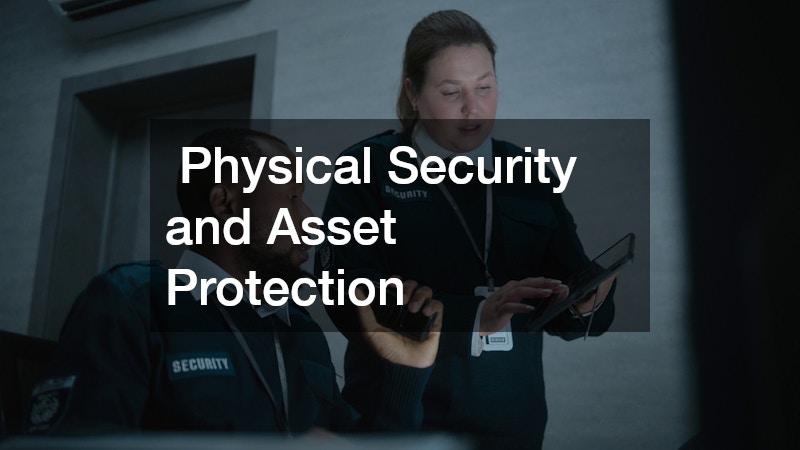
Physical security measures serve as a final layer of protection against liability. Theft, vandalism, unauthorized access, and workplace violence can create significant financial and legal consequences for businesses. A comprehensive security strategy helps mitigate these risks.
Security planning should begin with a thorough assessment of facilities, assets, and operational vulnerabilities. Businesses must identify areas where unauthorized access could occur and implement appropriate controls. These measures may include surveillance systems, access control technologies, alarm systems, and visitor management procedures.
Many organizations rely on trained security officers to monitor facilities, respond to incidents, and maintain a visible security presence. Professional security personnel can help deter criminal activity while supporting emergency response efforts.
Cybersecurity should also be considered as part of a broader asset protection strategy. Digital assets often hold significant value and may contain sensitive customer or business information. Protecting both physical and digital resources helps reduce exposure to financial losses and legal claims.
Mitigating corporate liability requires a comprehensive and proactive approach that extends across every area of a business. Financial oversight, tax compliance, government contract management, risk assessment, workplace safety, employee training, legal preparedness, HR compliance, and physical security all contribute to a stronger and more resilient organization.
Small businesses that invest in preventive measures are better equipped to avoid costly disputes, regulatory penalties, and operational disruptions. Rather than viewing liability management as a burden, successful organizations recognize it as an essential component of sustainable growth and long-term stability.
By implementing the strategies outlined in this blueprint, business owners can create a culture of accountability, compliance, and preparedness. This foundation not only protects the organization from potential threats but also positions it for continued success in an increasingly complex business environment.