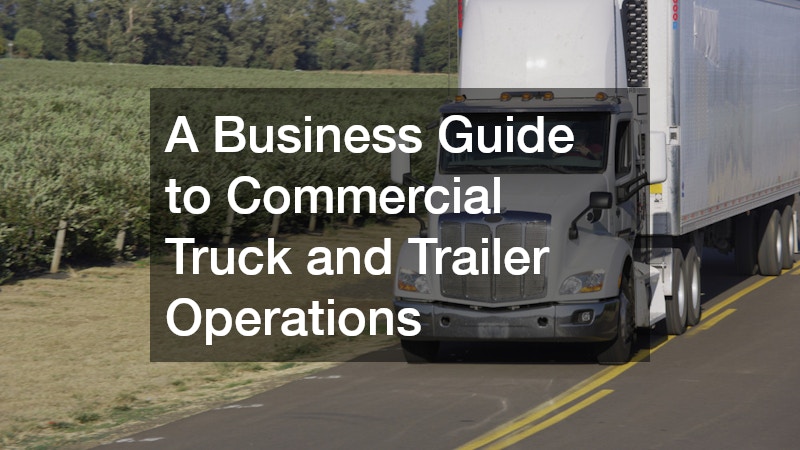
Operating a commercial trucking or trailer business requires careful planning, strategic investment, and efficient operations. From acquiring the right equipment to managing logistics, every decision can impact profitability, safety, and customer satisfaction. Whether you’re running a small fleet or managing a large transportation company, understanding best practices in truck and trailer operations is essential. In this guide, we’ll walk through key areas of commercial trucking, covering equipment, maintenance, logistics, and support services to help your business thrive. By following these strategies, operators can ensure they are prepared to meet both current and future demands.
Running a successful trucking business is more than just owning vehicles. It involves planning routes, maintaining equipment, protecting cargo, ensuring compliance, and investing in services that support growth. Businesses must balance operational efficiency with customer service, ensuring that every shipment arrives on time and in perfect condition. Developing a comprehensive understanding of these operational aspects allows owners and managers to anticipate challenges before they become costly problems.
Additionally, the commercial trucking industry is highly competitive and constantly evolving. Technological advancements, regulatory requirements, and shifting market demands mean that businesses need to be proactive in adapting to change. By staying informed about industry trends and implementing proven best practices, trucking and trailer operators can maximize their resources, improve safety, and strengthen their reputation among clients. This guide serves as a roadmap to help you make informed decisions and optimize every aspect of your commercial trucking operations.
Choosing the Right Equipment for Your Fleet
Selecting the right trailers and vehicles is the foundation of any commercial trucking operation. Proper equipment ensures efficiency, safety, and the ability to meet client demands without costly delays. Many businesses start by evaluating their cargo needs, routes, and frequency of deliveries before deciding on trailer types or sizes.
Investing in utility trailer sales can provide your business with flexible options for hauling different types of cargo. These trailers are ideal for transporting goods that don’t require full enclosure, such as construction materials, landscaping equipment, or bulk products. When selecting trailers, consider weight capacity, durability, and ease of attachment to your existing fleet. By choosing the right equipment from trusted suppliers, you can improve operational efficiency and protect your investment over the long term.
Additionally, regularly assessing your fleet needs ensures that you have the right mix of vehicles for current and future demand. Integrating modern trailers equipped with safety features and durable materials can help minimize maintenance issues and improve delivery reliability. A proactive approach to equipment acquisition sets the stage for smooth, efficient operations.
Maximizing Security and Protection for Cargo
Ensuring the safety and security of your shipments is critical for customer satisfaction and business reputation. Damaged or lost cargo can lead to financial losses and erode client trust. One way to enhance protection is by incorporating trailers designed to shield cargo from the elements and potential theft.
Enclosed trailers provide a secure environment for transporting goods that need protection from weather, dust, or theft. They are particularly useful for high-value or sensitive items, such as electronics, furniture, or specialized equipment. By using enclosed trailers, businesses can reduce the risk of damage and maintain a professional image when delivering goods to clients.
It’s also important to implement additional measures, such as locking systems, GPS tracking, and regular inspections. Staff training on proper loading and unloading techniques can further safeguard cargo. Protecting your shipments is not only a practical necessity but also a competitive advantage, helping your business build trust and reliability in the marketplace.
Partnering With Reliable Vehicle Providers
Working with reputable vehicle providers ensures your fleet remains dependable and well-supported. Establishing strong relationships with dealerships or suppliers can provide access to quality vehicles, financing options, and maintenance support. A reliable provider can help your business adapt to changing needs without unnecessary delays or financial strain. Developing these relationships early can also give you priority access to new inventory and special purchasing opportunities.
When sourcing trucks, a commercial truck dealership is often the most efficient way to acquire vehicles suited to your operations. Dealerships can guide you in selecting models that match your hauling requirements, budget, and operational goals. They also often offer warranty options and post-sale service, which are critical for minimizing downtime and maintaining fleet reliability. By leveraging a dealership’s expertise, businesses can avoid costly mistakes and ensure each vehicle aligns with long-term operational plans.
Choosing the right dealership means prioritizing long-term support over short-term savings. A strong partnership can offer access to newer technology, safety upgrades, and timely maintenance services that keep your fleet operating at peak efficiency. Ultimately, this collaboration allows your business to scale confidently while maintaining high performance and reliability across your fleet.
Optimizing Warehouse and Loading Operations
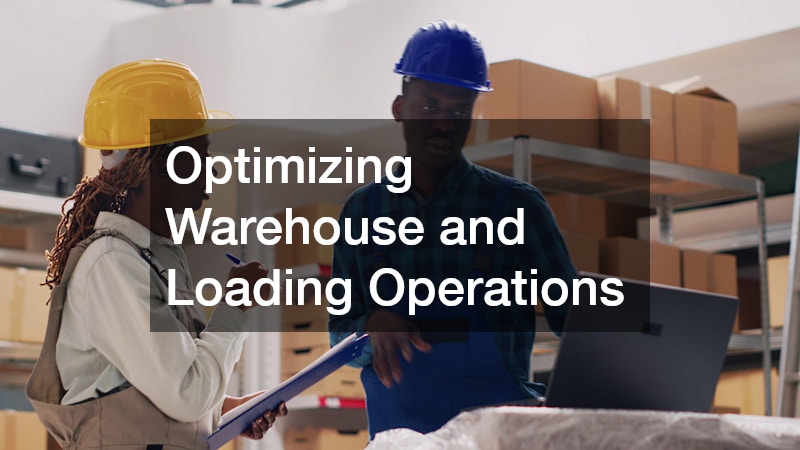
Efficient warehouse and loading operations directly impact turnaround times, labor costs, and overall productivity. Businesses that streamline these processes can handle higher volumes with fewer errors and delays. One of the keys to optimization is ensuring that the right equipment is available to support loading, unloading, and material handling.
Forklifts play a central role in warehouse operations by enabling fast and safe movement of heavy items. Using forklifts effectively reduces manual labor, minimizes the risk of injury, and accelerates the flow of goods from storage to transportation. Selecting forklifts suited to your specific cargo and warehouse layout can dramatically improve efficiency.
Regular training for operators is also essential to ensure safety and maximize productivity. When combined with organized storage systems and clear workflow processes, forklifts become an indispensable asset that keeps operations running smoothly and helps meet delivery schedules consistently.
Understanding Coverage for Business Vehicles
Insurance is a critical consideration for any commercial trucking business. Coverage protects your assets, employees, and clients from financial loss in case of accidents, theft, or damage. Without appropriate insurance, a single incident can jeopardize your entire operation. Having the right coverage also helps your business recover quickly from unexpected events, minimizing financial strain and operational disruptions.
An automotive insurance plan tailored for commercial vehicles ensures that you have coverage specific to your fleet’s needs. This can include liability coverage, collision protection, and coverage for cargo in transit. By working with insurance providers who understand the trucking industry, you can secure policies that provide comprehensive protection without unnecessary gaps. Choosing a provider experienced in commercial fleets can also offer valuable guidance on risk management and policy optimization.
Regularly reviewing and updating your insurance plan is also important as your fleet grows or operational risks change. A strong insurance strategy helps safeguard your business, gives clients confidence in your reliability, and ensures compliance with legal requirements for commercial operations. Consistent monitoring and adjustments to your plan allow you to stay ahead of potential liabilities and maintain uninterrupted coverage.

Responding Quickly to Roadside Emergencies
Even with careful planning, vehicles may experience breakdowns, accidents, or other emergencies on the road. How quickly your business responds can affect delivery timelines, safety, and client satisfaction. Having access to prompt support services is essential for minimizing downtime and protecting your assets.
A dependable towing company can provide emergency roadside assistance for disabled trucks or trailers. Quick access to towing services helps move vehicles safely off busy roads, prevent further damage, and maintain delivery schedules. Building relationships with trusted towing providers ensures that help is available whenever it’s needed, regardless of location or time.
In addition to having a towing plan, keeping drivers informed about procedures for breakdowns, accident reporting, and emergency contacts enhances overall safety. Prompt response and preparation minimize disruption, maintain professional service, and reduce stress for both drivers and clients.
Maintaining Hydraulic Systems for Peak Performance
Hydraulic systems are essential for certain types of trucks and trailers, including those used for lifting, dumping, or specialized cargo handling. Proper maintenance of these systems ensures smooth operation and prevents costly mechanical failures. Regular monitoring of fluid levels and system performance can help catch small problems before they turn into major repairs.
Investing in hydraulic repair services can keep your equipment functioning reliably. Professionals who specialize in hydraulic systems can perform inspections, repairs, and preventative maintenance to identify issues before they escalate. Routine maintenance prolongs the life of pumps, cylinders, and hoses while reducing the likelihood of unexpected breakdowns that could halt operations. Partnering with skilled technicians also provides peace of mind, knowing your fleet is always ready for demanding workloads.
A proactive approach to hydraulic maintenance not only protects your investment but also contributes to operational efficiency. Well-maintained systems improve safety for operators and allow your fleet to perform complex tasks reliably, enhancing overall productivity. In the long run, this approach minimizes downtime and supports consistent service delivery for your clients.
Keeping Heavy-Duty Vehicles in Top Condition
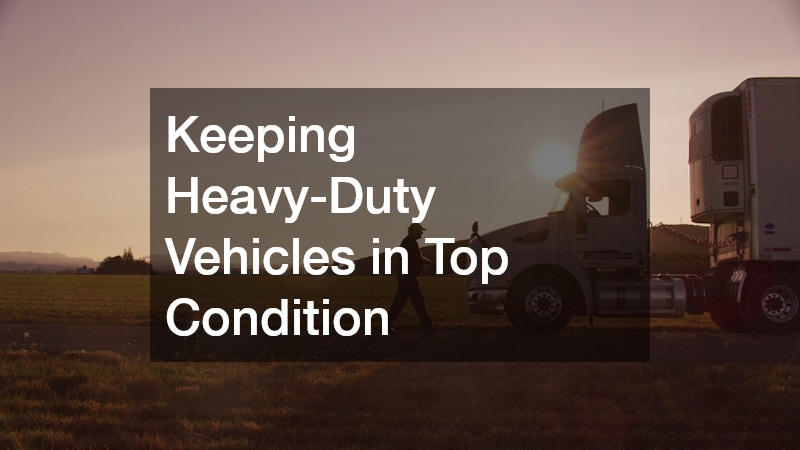
Regular maintenance is vital for heavy-duty trucks to ensure longevity, safety, and efficiency. Neglecting routine repairs can lead to breakdowns, costly downtime, and increased repair expenses over time. A structured maintenance schedule keeps vehicles in optimal condition and reduces the risk of unexpected failures.
Freightliner repairs are a key part of maintaining a specialized fleet. Whether addressing engine performance, braking systems, or other mechanical issues, using professional repair services ensures that trucks meet industry standards and operate safely. Regular service from qualified technicians helps maintain fuel efficiency, prolongs vehicle life, and minimizes disruptions to your business.
By investing in scheduled inspections and repairs, you not only protect your assets but also build a reputation for reliability. Consistently maintained vehicles inspire confidence among clients and drivers alike, which is crucial for long-term success in the competitive transportation industry.
Streamlining Delivery and Logistics Processes
Efficient logistics is at the heart of successful trucking operations. Businesses that optimize routes, coordinate schedules, and manage freight effectively can reduce costs, improve service, and maximize resource utilization. Understanding the complexities of freight management helps companies respond quickly to customer demands while maintaining profitability.
Transport freight requires careful planning, technology integration, and coordination between drivers, dispatchers, and clients. Using route optimization tools, real-time tracking, and accurate load management systems helps streamline operations and prevent delays. Effective logistics not only improves delivery times but also reduces fuel consumption, wear and tear on vehicles, and operational stress.
A well-executed logistics strategy ensures that your fleet can meet growing demand without compromising service quality. Businesses that focus on streamlined delivery processes are better positioned to scale operations, manage costs, and maintain high customer satisfaction levels.
Enhancing Brand Visibility on the Move
Marketing your business through vehicle branding is an effective way to build recognition and generate leads. Branded vehicles act as mobile advertisements, spreading awareness wherever your fleet travels. Investing in professional wrapping and graphics can make a lasting impression on clients and potential customers.
Vehicle wrap services allow companies to showcase their brand, services, and contact information in a visually appealing way. A high-quality wrap protects the vehicle’s surface while creating a strong visual presence on the road. This form of marketing is cost-effective, durable, and works continuously as your fleet operates.
By combining branding with a professional fleet appearance, you can reinforce your company’s reputation and strengthen client trust. Effective use of vehicle wraps not only promotes your services but also communicates professionalism and attention to detail.
Running a successful commercial trucking and trailer operation involves careful attention to equipment, logistics, safety, and support services. Each component of your business, from trailers and trucks to staff and technology, contributes to the overall efficiency and profitability of your operation. By strategically managing these areas, companies can reduce risks, increase reliability, and position themselves for long-term growth in a competitive market.
Investing in high-quality equipment, professional services, and technology solutions ensures that your fleet operates smoothly and safely. Regular maintenance, comprehensive insurance, and thoughtful operational planning are essential for minimizing disruptions and maximizing profitability. Moreover, businesses that focus on proactive fleet management and preventive care can extend the life of their vehicles and reduce operational downtime, which directly impacts customer satisfaction and cost control.
The ability to adapt and innovate sets successful trucking operations apart. Staying informed about industry trends, adopting best practices, and leveraging new technologies can help your business maintain a competitive edge. By prioritizing efficiency, safety, and reliability, commercial trucking and trailer operators can confidently navigate challenges, grow their operations, and deliver exceptional service to every client.